





Over the past few years, rising food prices have become one of the biggest concerns for households across Jamaica. From supermarkets in urban areas to small community shops in rural towns, shoppers are noticing that everyday essentials now cost significantly more than they once did. Items that were once considered affordable staples—such as rice, cooking oil, flour, chicken, and vegetables—are steadily climbing in price, putting pressure on family budgets.
While global economic issues play a major role in these increases, the impact is being felt most strongly at the household level. As a result, many Jamaicans are changing the way they shop, cook, and plan their meals in order to cope.
Why Food Prices Are Rising
Several factors are contributing to the rise in food costs. Internationally, disruptions in supply chains, higher fuel prices, and increased shipping costs have pushed up the price of imported goods. Since Jamaica imports a large portion of its food, global price increases are often reflected locally.
Locally, weather-related challenges such as droughts and flooding can reduce agricultural output, leading to shortages and higher prices. Rising costs for fertilizers, animal feed, and transportation also affect farmers and vendors, who are often forced to pass these expenses on to consumers.
Together, these factors create a situation where food prices rise faster than wages, leaving households to find new ways to manage.
Changes in Shopping Habits
One noticeable shift is how frequently people shop. Instead of doing large weekly or monthly grocery runs, many shoppers now buy smaller quantities more often. This approach helps them control spending and avoid overshooting their budgets in one trip.
There has also been a growing focus on comparing prices. Shoppers are paying closer attention to sales, discounts, and promotions. Some families visit multiple stores to get the best deals, purchasing certain items where they are cheapest rather than relying on a single supermarket.
Brand loyalty is also changing. Consumers who once preferred well-known brands are now opting for store brands or generic alternatives, which are often more affordable and provide similar quality.
A Greater Focus on Local Foods
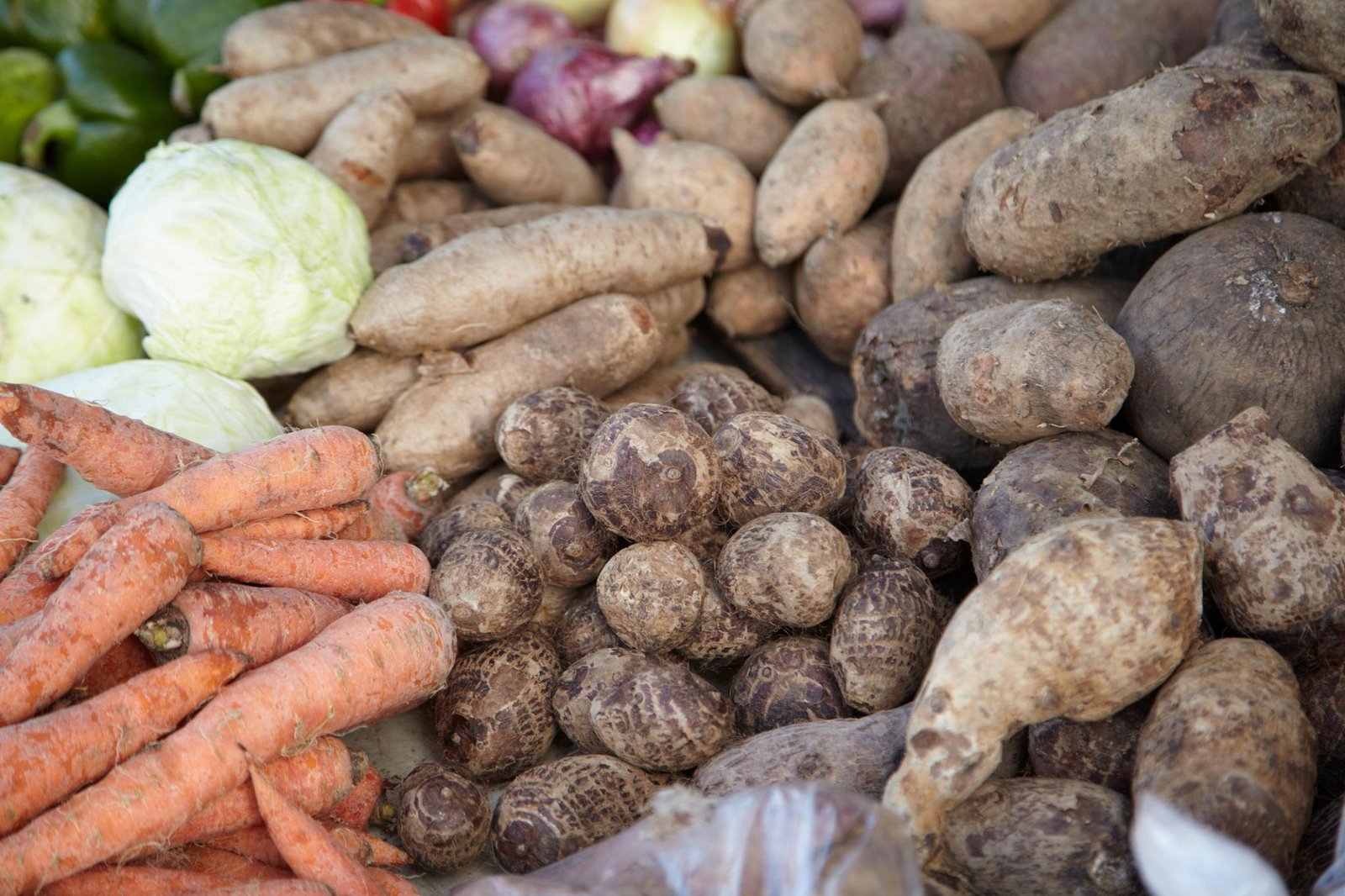
As imported food prices rise, more Jamaicans are turning to locally grown produce. Ground provisions such as yam, banana, sweet potato, and dasheen are being used more frequently as substitutes for imported rice and pasta.
Buying local not only helps reduce grocery bills but also supports farmers and small vendors. In many communities, roadside markets and farmers’ stalls are seeing increased patronage as shoppers look for fresher and more affordable options.
Some households are even starting small backyard gardens, growing herbs, peppers, callaloo, or tomatoes. While this may not eliminate grocery expenses entirely, it can reduce costs and provide a steady supply of fresh ingredients.
Adjusting Meal Planning and Cooking
Meal planning has become an essential tool for managing rising food costs. Families are planning meals in advance, making shopping lists, and sticking to them to avoid impulse purchases.
There is also a renewed emphasis on cooking at home. Eating out or ordering takeout has become less frequent as households try to stretch their food budgets. Leftovers are being used more intentionally, and meals are being prepared in ways that make ingredients last longer.
Simple changes—such as using more vegetables in meals, stretching meat across multiple dishes, or cooking in larger batches—can make a noticeable difference over time.
The Impact on Families
For many families, rising food prices mean making difficult choices. Parents often prioritize essentials for their children, sometimes cutting back on their own consumption. This can create stress and anxiety, especially for households already dealing with other financial pressures such as rent, utilities, and transportation costs.
Community support has become more important than ever. Families are sharing food, shopping together in bulk, and exchanging tips on where to find the best deals. These small acts of cooperation help ease the burden during challenging times.
Looking Ahead
While food prices may not decrease anytime soon, awareness and adaptability are helping many Jamaicans cope. By changing shopping habits, embracing local foods, and planning meals more carefully, households are finding ways to manage rising costs without sacrificing nutrition.
The situation also highlights the importance of strengthening local agriculture and food security. Supporting local farmers and encouraging sustainable food production can help reduce reliance on imports and create more stable prices in the long term.
Rising food prices are a challenge, but they are also reshaping how Jamaicans shop, cook, and think about food—leading to more mindful choices and stronger community connections.

Leave a Reply